
Indian students at Harvard, on condition of anonymity, shared their concerns and experiences of the last few months during which the prestigious university has seen relentless attacks by the Trump administration.
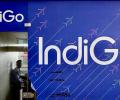
Propelled by strong demand and lower costs, the country's largest airline, InterGlobe Aviation (IndiGo), reported solid operational performance in the 2024-25 (FY25) October-December quarter (Q3). While demand was driven by the festival season, year-end increase, and higher consumer spending, lower fuel and rental costs helped deliver a beat at the operating profit level.
However, Tata Consultancy Services, Infosys, Tech Mahindra, UltraTech Cement, IndusInd Bank, Hindustan Unilever and ICICI Bank were the gainers.

Rupee depreciation, if it continues, will likely pull the markets down further. Since September 2024, the rupee has declined by 3.1 per cent, the Nifty has dropped by 8.5 per cent during the same period, and the Sensex has fallen by 7.3 per cent. If the decline continues, markets will need to brace for more pain as it could push foreign portfolio investors (FPIs) to exit their positions faster than anticipated.

'For 40 years, India valued only technical skills. IITs, coding -- that became everything.' 'Soft skills were sidelined. But those are the skills that will keep you employable now, not technical skills.'

In 2014, foreign tourist arrivals grew by 10.2 per cent over 2013.

From the Sensex pack, Bajaj Finserv, IndusInd Bank, NTPC, Larsen & Toubro, UltraTech Cement, Adani Ports, Bajaj Finance, Power Grid, Zomato, State Bank of India, HDFC Bank and Titan were the biggest gainers. Tata Motors tanked over 5.5 per cent after US President Donald Trump announced he would impose 25 per cent tariffs on imported cars. Sun Pharma, Kotak Mahindra Bank, Bharti Airtel, HCL Tech and Mahindra & Mahindra were also among the laggards.
Among Sensex firms, Eternal, Tata Motors, State Bank of India, Adani Ports, NTPC, IndusInd Bank, Bajaj Finance, Asian Paints, Axis Bank and Sun Pharma were the major losers. Bharti Airtel, Tata Steel, Mahindra & Mahindra, Hindustan Unilever, Nestle and Maruti were among the gainers.

Pakistan Prime Minister Shehbaz Sharif has called on "brotherly" countries, including Saudi Arabia, to urge India to de-escalate tensions after the Pahalgam terror attack that killed 26 people. Sharif met with ambassadors from Saudi Arabia, the UAE, and Kuwait, reiterating Pakistan's commitment to peace in South Asia. He rejected India's accusations linking Pakistan to the attack, emphasizing Pakistan's own history as a victim of terrorism. The meeting comes amidst heightened tensions between the two countries.

Telecom firms earning foreign exchange on incoming overseas calls, Internet services and rentals from cable networks are not entitled to duty sops under an export promotion scheme, says the government.

From the 30-share blue-chip pack, Tata Steel, NTPC, Kotak Mahindra Bank, IndusInd Bank, Power Grid, Zomato, Adani Ports, Asian Paints, Mahindra & Mahindra and Reliance Industries were among the biggest laggards. Titan and Sun Pharma were the only gainers.

From the Sensex pack, Zomato, IndusInd Bank, NTPC, Infosys, HCL Technologies, Titan, Power Grid, Hindustan Unilever, Tech Mahindra and ITC were among the gainers. On the other hand, Reliance Industries, Nestle India, Tata Motors, Adani Ports, Tata Steel, UltraTech Cement and Kotak Mahindra Bank were the laggards.
From the 30-share blue-chip pack, Adani Ports dropped over 4 per cent. UltraTech Cement, Sun Pharma, IndusInd Bank, NTPC and Tata Steel were also the among the laggards. Nestle, ICICI Bank, Infosys, Tata Consultancy Services and HCL Tech were among the gainers.

The Associated Chambers of Commerce and Industry of India has sought the restoration of Notification in the Finance Bill 2005-06

They don't just want better returns -- they're looking for global opportunities, more variety and smarter ways to grow their money, says Soubho Moulik, CEO, Appreciate.

Global brokerage firm CLSA has reversed its early tactical shift from Indian equities to Chinese stocks, and has decided to raise India allocation while cutting exposure to China. In its report titled 'Pouncing Tiger, Prevaricating Dragon', CLSA cited challenges facing Chinese markets in the aftermath of Donald Trump's victory in the US elections as the reason for the move. "Misfortune can happen in threes. So it has played out for Chinese equities over the past week.

Dr Reddy's Laboratories (DRL) share price plunged 6.66 per cent to Rs 1,203.50 per share on the NSE during Friday after analysts remained cautious on the company's Q3 performance and differed on its growth outlook. DRL's Q3 performance was viewed as subdued by some analysts when they adjusted it for one-time grants and incomes that the company received during the quarter.
From the Sensex pack, Zomato jumped nearly 5 per cent, followed by Titan which climbed almost 4 per cent. IndusInd Bank, Maruti, Tech Mahindra, Adani Ports, Bharti Airtel and HDFC Bank were also among the gainers.
India plans to double its foreign exchange earnings from tourism in the next three years and make it the number one foreign exchange earner, Tourism Minister Renuka Chowdhury said.

From the Sensex pack, Zomato jumped over 7 per cent. ICICI Bank, Mahindra & Mahindra, Tata Motors, Larsen & Toubro, Asian Paints, Titan, Kotak Mahindra Bank and State Bank of India were among the gainers. However, Bajaj Finserv, Bharti Airtel, Tech Mahindra and Reliance Industries were the laggards.

A trends study conducted by India's Financial Intelligence Unit (FIU) has expressed suspicion that cryptocurrency is being used across the country in serious criminal acts like terrorist financing, fuelling secessionist activities, cybercrime, narcotics trafficking, illegal betting and gambling. The report, which was based on suspicious transaction reports and operational analysis, shared these trends and credible intelligence with law enforcement agencies.

Bajaj Finance, Bajaj Finserv, NTPC, State Bank of India, Power Grid, HDFC Bank, Tech Mahindra and Asian Paints were the other gainers. However, Zomato, Adani Ports, Tata Consultancy Services, Mahindra & Mahindra, Maruti and Tata Motors were among the laggards.

Bajaj Finserv, Tata Steel, Larsen & Toubro, UltraTech Cement, Kotak Mahindra Bank and Tata Motors were among the gainers. Foreign Institutional Investors (FIIs) offloaded equities worth Rs 4,486.41 crore on Tuesday, according to exchange data.
From the Sensex pack, Bajaj Finserv, Mahindra & Mahindra, Axis Bank, Bajaj Finance, Adani Ports, ICICI Bank, Zomato and UltraTech Cement were among the biggest gainers. However, ITC, Nestle, State Bank of India, Reliance Industries, Asian Paints and Tata Consultancy Services were among the laggards.

From the 30-share blue-chip pack, Adani Ports jumped over 5 per cent. NTPC, Tata Steel, Bajaj Finserv, Zomato, Bajaj Finance, Tata Motors, State Bank of India, IndusInd Bank and Maruti were among the other big gainers. From the 30-share pack, Hindustan Unilever, Titan, Tata Consultancy Services, Infosys and UltraTech Cement were the other laggards.
From the Sensex pack, IndusInd Bank, Infosys, Bajaj Finserv, Mahindra & Mahindra, Zomato, Hindustan Unilever, Power Grid, Axis Bank, UltraTech Cement, Adani Ports, and Tata Consultancy Services were among the laggards. On the other hand, Sun Pharmaceuticals, ICICI Bank, Bharti Airtel, HCL Technologies, Maruti Suzuki India, Larsen & Toubro, Reliance Industries, Kotak Mahindra Bank and Titan were the gainers.

The information technology (IT) sector in India made the most out of the falling exchange rate of rupee in the last five months of the calendar year 2011, according to a report by CARE Ratings. Other industries that were net gainers in foreign exchange include textiles, two wheelers and commercial vehicles.
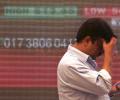
Investors' wealth tumbled by Rs 9 lakh crore on Friday, in tandem with a sharp decline in the domestic equity market, where the benchmark Sensex plunged 1,414 points following a bearish trend in global equities. Fresh tariff threats that ignited global trade war fears and relentless foreign fund outflows dented investor sentiment, analysts said.

The Reserve Bank of India's (RBI's) decision on Wednesday to relax restrictions on banks operating in the International Financial Services Centre (IFSC) related to the repatriation of idle funds in foreign currency accounts (FCA) could give a fillip to trading in foreign stocks at the GIFT City.

From the 30-share blue-chip pack, Tata Motors, Reliance Industries, ICICI Bank, Asian Paints, Nestle India, UltraTech Cement, Larsen & Toubro and Adani Ports were among the biggest gainers. In contrast, Zomato, HCL Tech, Tata Consultancy Services, Tech Mahindra, Kotak Mahindra Bank and Infosys were among the losers.

Fraudsters read your mind, weave convincing stories, earn your trust and then vanish with people's savings. Ramalingam Kalirajan reveals five simple tricks that cons use to steal money from you.
From the Sensex pack, Zomato, HDFC Bank, Tech Mahindra, Adani Ports, Tata Consultancy Services, ICICI Bank, Sun Pharma, Larsen & Toubro, HCL Tech and ITC were the major laggards. On the other hand, Tata Motors, Nestle, Titan, Hindustan Unilever and Reliance Industries were among the gainers.

On average, stocks that debuted last year are down 37 per cent from their peak levels.
Trading activity of foreign investors and global trends will be the major driving factors for the equity markets in a holiday-shortened week ahead, according to analysts. Leading stock exchanges BSE and NSE have declared a trading holiday on November 20 for assembly elections in Maharashtra. Elections to the 288-member state legislative assembly will be held on November 20, and votes will be counted on November 23.

Among Sensex shares, Zomato, NTPC, Adani Ports, ICICI Bank, State Bank of India, Reliance Industries, Mahindra & Mahindra, Bajaj Finance, Tech Mahindra and Axis Bank were the major laggards. UltraTech Cement and HCL Technologies were the only gainers.

From the 30-share Sensex pack, Infosys, ICICI Bank, Kotak Mahindra Bank, Mahindra & Mahindra, State Bank of India, HCL Technologies, Axis Bank, NTPC and HDFC Bank were among the laggards. In contrast, Maruti, IndusInd Bank, Adani Ports, ITC and UltraTech Cement defied broader market trends and ended in positive territory.
Zomato emerged as the biggest gainer, followed by Reliance, Nestle, Asian Paints and Power Grid.

From the 30-share blue-chip pack, Adani Ports, UltraTech Cement, Larsen & Toubro, Sun Pharma, HDFC Bank, ICICI Bank, NTPC and State Bank of India were the major laggards. Tata Consultancy Services, Reliance Industries, ITC, Asian Paints, HCL Tech and Maruti were among the gainers.

A sharp fall in the equity market made investors poorer by Rs 5.29 lakh crore on Tuesday when the BSE benchmark Sensex tumbled over 800 points. A host of negative triggers -- muted quarterly earnings, continuous foreign fund outflows and weak trends in Asian and European markets -- dragged the benchmark indices lower. The BSE benchmark gauge tumbled 820.97 points or 1.03 per cent to settle at 78,675.18.
 © 2026 Rediff.com - Advertise with us - Disclaimer - Privacy Policy - Sitemap - Feedback - About us - Terms of use - Grievances